
Mastering Precision: How Modern CNC Laser Cutting Machines Raise Quality and Speed
When parts must fit, function, and repeat across dozens or thousands of pieces, the cutting method you choose becomes the difference between a good run and a costly rework cycle.
CNC laser cutting gives fabricators the control to turn detailed CAD files into finished metal parts with tight tolerances and clean edges. Today’s shops use laser systems to shorten lead times, reduce scrap, and deliver parts that assemble the first time correctly.
What a Modern CNC Laser Cutting Machine Actually Does?
A modern CNC laser cutting machine combines a high-power laser source, precision optics, and computer-controlled motion to cut sheet and plate metal on X-Y axes.
Fiber laser sources produce a focused beam that melts or vaporizes metal while an assist gas clears the kerf, producing a narrow cut and usually a smooth edge finish. These machines accept CAD/CAM files directly, enabling fast changeovers between part designs without tooling changes.
Step by Step: The CNC Laser Cutting Process
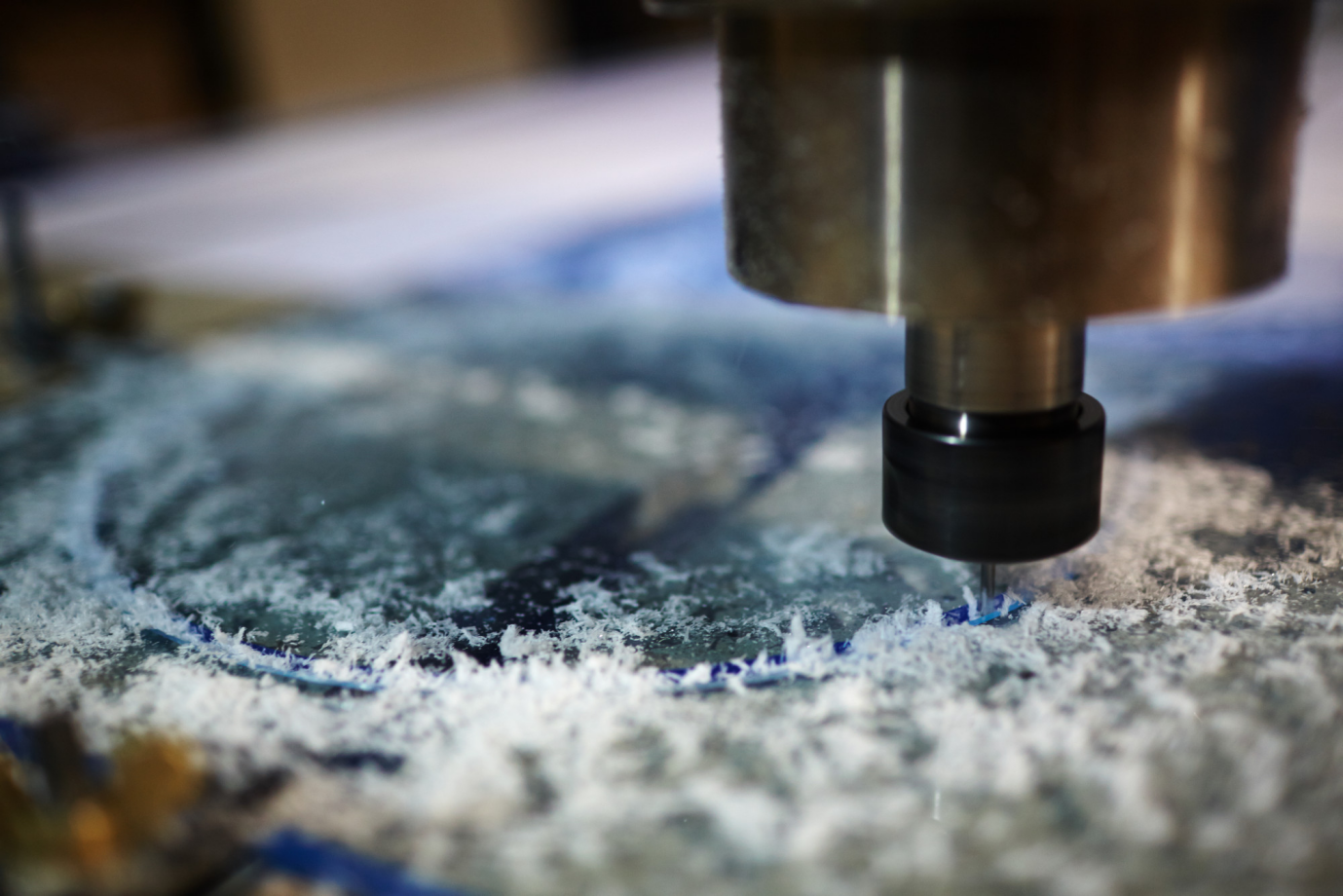
CNC laser cutting begins with digital data and ends with ready-to-assemble components. In workshop practice, the workflow typically follows design review, nesting, machine programming, cutting, and inspection. Good nesting and CAM programming maximize sheet yield by arranging parts to minimize scrap and shorten head travel.
Automated loading/unloading and true-cut monitoring further speed cycles for repeat jobs. Modern systems may include vision guidance and real-time monitoring to keep quality consistent across shifts.
Quick Process Checklist:
- Export CAD to nest-ready DXF/DWG and validate edge geometry.
- Run nesting software to optimize material usage and cut orders.
- Program machine parameters (power, speed, gas) for the material.
- Execute a proof cut, then full production with inline inspection.
What does a CNC Laser Cutting Machine Give Your Shop?
CNC Laser Cutting Machine brings several measurable benefits:
- Superior accuracy
- Faster throughput
- Reduced secondary work
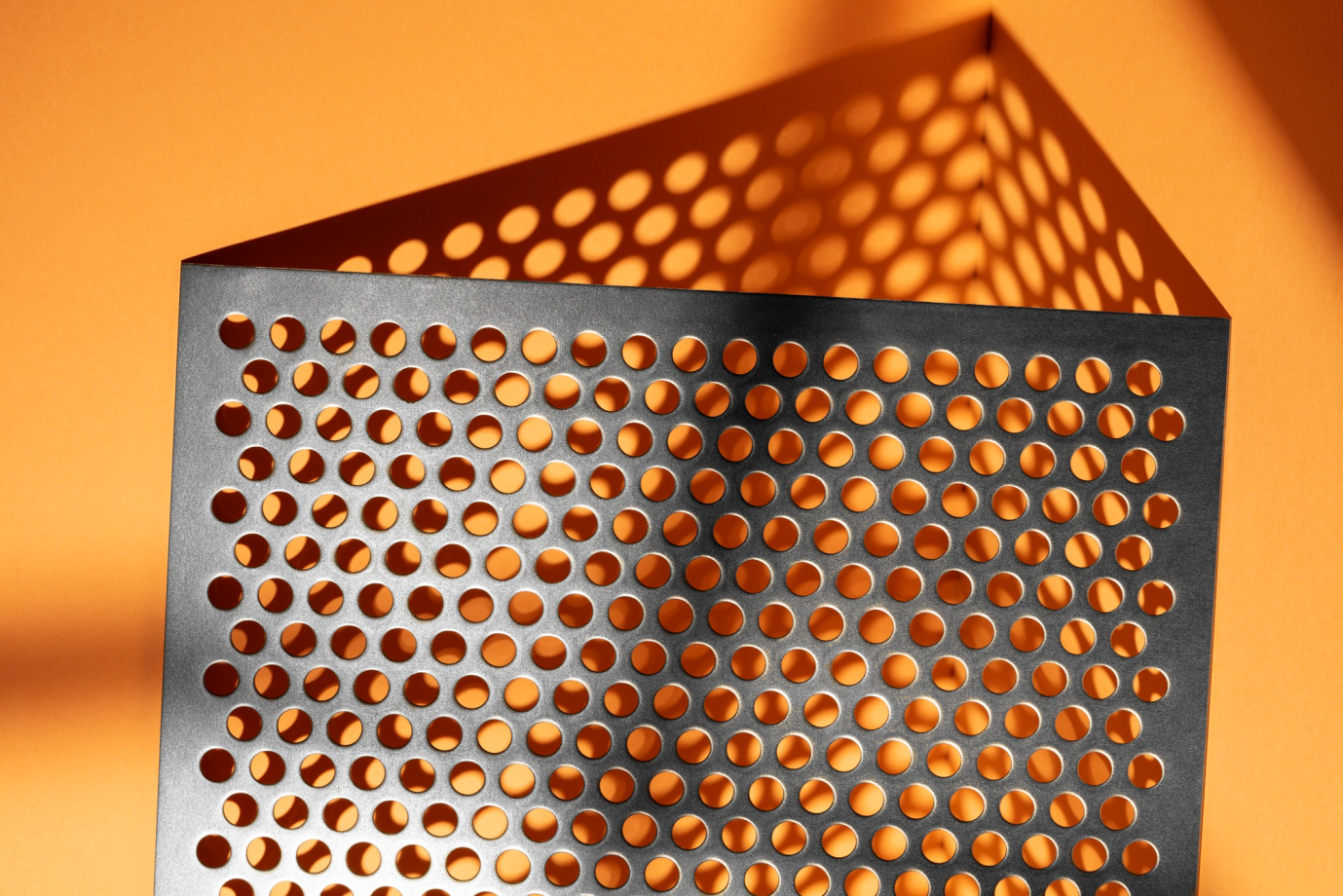
The focused beam produces narrow kerfs and small heat-affected zones, keeping parts within tight dimensional tolerances and minimizing the need for grinding or rework.
High-powered fiber lasers also cut faster than older methods. Lowering cycle times and increasing throughput on common production metals such as mild steel, stainless steel, and aluminum. Modern shops that use nesting and automation report big drops in scrap and steady improvements in on-time delivery.
Benefits at a glance:
- Precision cuts and repeatability for reliable assembly.
- Faster cut speeds for shorter lead times.
- Better material utilization through nesting.
- Less need for tooling and lower ongoing maintenance vs mechanical methods.
Why Choose JLL Fab for Laser Cutting Work?
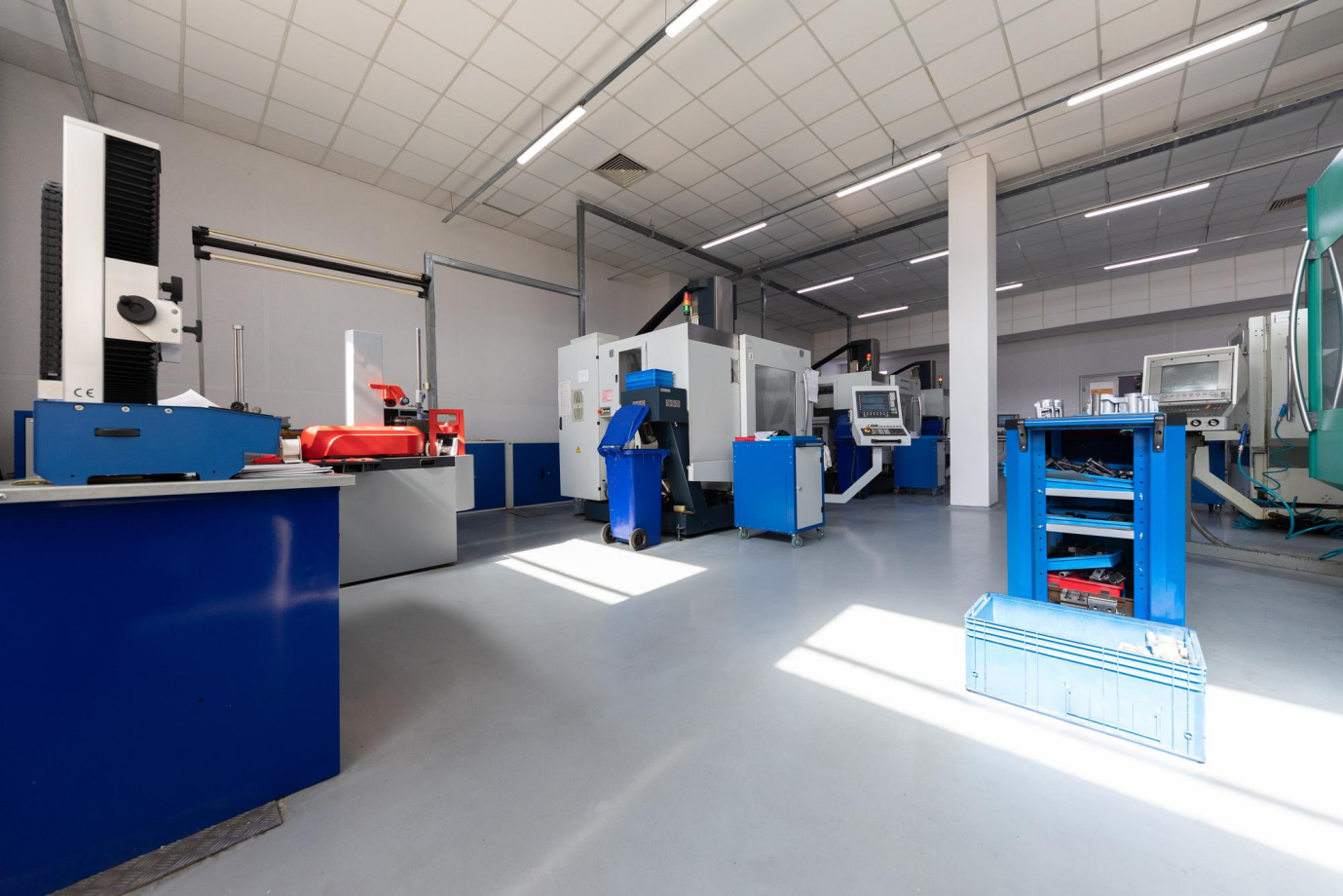
At JLL Fab, we pair modern laser equipment with fabrication know-how so parts arrive ready for the next operation. Our shop handles short runs, prototypes, and production batches with consistent quality checks and material handling that reduces damage and errors.
We review your drawings, recommend material and process choices, and apply nesting and CAM best practices so you get parts that meet function and finish expectations. For local projects, our communication and quick-turn support shorten design-iterate cycles and keep delivery predictable.
FAQs
Q1. What tolerances can I expect from laser cutting?
Typical CNC laser tolerances depend on material and thickness, but modern systems commonly hold within a few thousandths of an inch for thin sheet; part geometry and fixturing influence final results.
Q2. Can laser cutting handle a thick plate?
High-power fiber lasers can cut thicker plates, but there are cost and throughput trade-offs compared with plasma or oxy-fuel for very thick sections. For most sheet and light plate work, lasers are fast and clean.
Q3. How does nesting help my price per part?
Nesting software arranges parts to reduce scrap and head movement, lowering material and cycle costs. Good nesting can be a 5–15% material savings or more on complex jobs.
Conclusion
Modern CNC laser cutting is no longer just a “nice to have”. It’s a practical way to cut costs, speed production, and raise the quality bar on fabricated parts. Whether you need a one-off prototype or reliable production runs, the correct combination of laser hardware, CAM nesting, and shop-level quality control makes the difference.
If precision, repeatability, and predictable lead times matter for your next project, contact JLL Fab to discuss how our laser cutting services can bring your designs to life on time and on budget.