

How to Pick the Right Sheet Metal Fabrication Service
Choosing the right partner for Sheet Metal Fabrication can directly impact product quality, production timelines, and overall costs. From precision components to large-scale assemblies, fabrication work requires accuracy, consistency, and dependable processes. A reliable service provider helps reduce errors, avoid delays, and maintain design integrity from start to finish. With many vendors offering similar capabilities, knowing how to evaluate a Sheet Metal Fabrication service becomes essential. This blog walks through the key factors businesses should consider to make confident, well informed fabrication decisions.
What Sheet Metal Fabrication Involves
Metal fabrication is a structured process that transforms flat metal sheets into functional components. It typically begins with cutting, followed by forming techniques such as bending, punching, or rolling to achieve the required shape. Assembly steps like welding or fastening may be used to complete the final part.
This process supports a wide range of industries, including manufacturing, construction, and equipment production. Material choice, design accuracy, and process control all play a role in determining final quality. Understanding these fundamentals helps businesses better evaluate service providers and set realistic expectations for performance and durability.
Signs of a Trusted Fabrication Partner
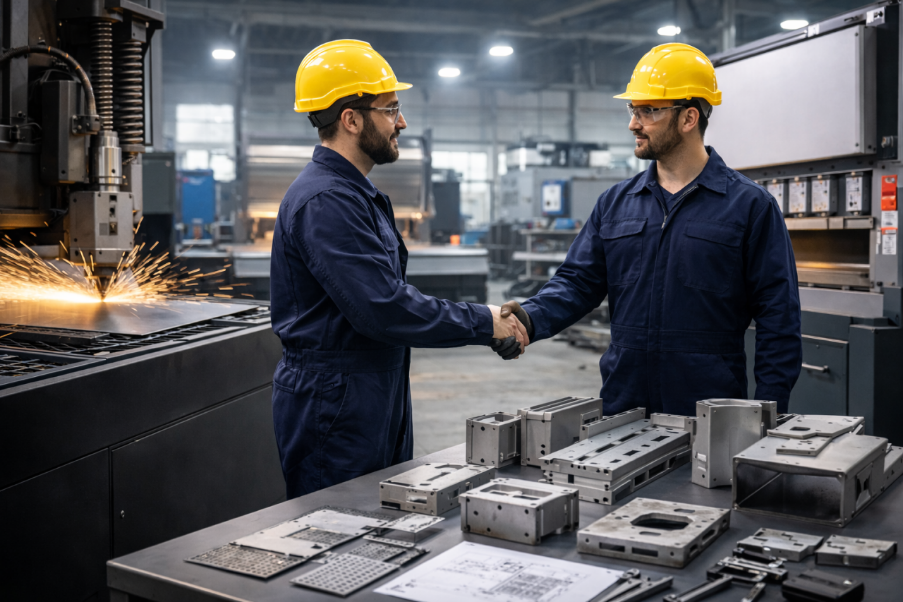
Choosing a reliable vendor is essential for maintaining quality, timelines, and production efficiency. A trusted sheet metal fabrication partner provides stability across every stage of the project, from planning to final delivery.
Key indicators include:
- Proven experience: A trusted sheet metal fabrication provider shows a consistent track record across multiple industries and project types.
- Quality control processes: Documented inspections and tolerance checks ensure repeatable results.
- Clear communication: Transparent quoting, timelines, and updates reduce production risk.
- Skilled workforce: Experienced operators and engineers support accuracy and consistency.
Capabilities to Look for Before You Commit
Selecting the right fabrication partner requires more than reviewing pricing alone. Evaluating technical capabilities helps ensure the provider can meet current requirements and adapt as production needs evolve.
Important capabilities to assess include:
- Equipment range: Access to modern cutting, forming, and assembly tools supports accuracy and efficiency.
- Material handling: Experience with various metals ensures proper processing and reduced waste.
- Process integration: In house capabilities minimize delays caused by external dependencies.
- Scalability: Ability to support both prototypes and full production runs as demand increases.
Sheet Metal Fabrication Services
Outsourcing fabrication can be a smart move when production demands flexibility, speed, and consistent quality. Sheet Metal Fabrication Services allow businesses to access specialized equipment and skilled expertise without investing in in house infrastructure.
Key advantages include:
- Cost efficiency: Sheet Metal Fabrication Services reduce capital expenses tied to equipment, staffing, and maintenance.
- Production flexibility: Easily scale output based on project size and changing demand.
- Integrated workflows: Multiple processes handled under one roof improve efficiency and accuracy.
- Faster turnaround: Streamlined operations help meet tight schedules without sacrificing quality.
Quality Control and Production Standards
Consistent quality is essential in fabrication, especially when parts must meet exact specifications. Strong production standards help prevent defects, reduce rework, and ensure reliability across every batch.
Effective quality control includes dimensional inspections, material verification, and process documentation at key stages. Standardized procedures and repeatable checks protect product integrity and support long-term performance. When quality systems are in place, businesses gain confidence that each component will meet expectations before it reaches the next phase of production.
Communication and Project Support
Clear communication plays a major role in successful fabrication projects. From the initial quote to final delivery, accurate information helps avoid delays, design issues, and unexpected costs.
Strong project support includes clear timelines, responsive updates, and early feedback on design feasibility. When fabrication teams collaborate closely with clients, potential issues are identified sooner, and adjustments are made efficiently. Reliable communication ensures projects stay aligned with specifications, schedules, and overall production goals.
Cost, Lead Time, and Scalability Considerations
Cost and delivery timelines are closely tied to how a fabrication partner plans and manages production. Pricing is influenced by material selection, design complexity, order volume, and finishing requirements. Understanding these factors upfront helps avoid surprises later in the process.
Lead time planning is equally important, especially for time-sensitive projects or repeat orders. A capable provider can adjust schedules, manage capacity, and scale production as demand grows. Evaluating how a service handles growth, rush orders, and long-term volume changes helps ensure your fabrication needs are supported well beyond a single project.
Conclusion
Selecting the right sheet metal fabrication partner is a strategic decision that affects quality, timelines, and long-term production success. The best choice goes beyond equipment and pricing. It comes down to proven capabilities, consistent quality control, clear communication, and the ability to scale with your needs.
When these factors align, fabrication becomes a reliable extension of your operations rather than a production risk. If you are looking for a fabrication partner that values precision, consistency, and collaboration, JLL Fab offers the experience and support needed to move projects forward with confidence.