
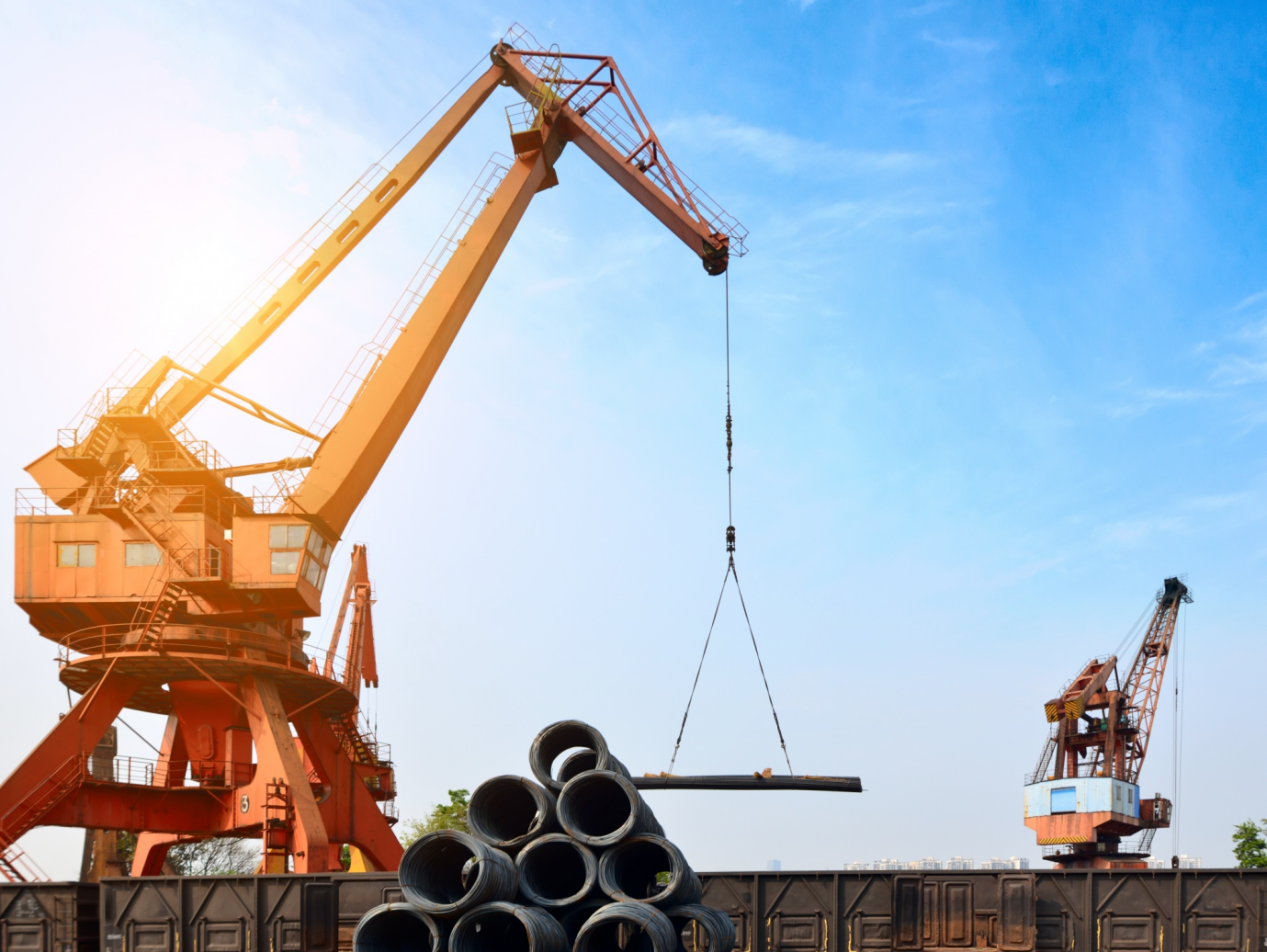
Safer Lifts, Smarter Moves: How Equipment Rigging Services Improve Safety and Speed
Heavy lifting on a jobsite is one of the riskiest tasks. Proper planning and the right gear turn a dangerous lift into a routine step. When teams use professional equipment rigging the chance of dropped loads, damage, and injury drops sharply. This intro explains why rigging matters and what to expect from a good service.
Why professional rigging matters?
A failed lift costs time and money, and it can hurt people. Trained rigging crews read load charts, pick the right hardware, and place slings so the weight is balanced. They also plan where the load will travel and who will clear the area. Using proper methods keeps projects moving and builds trust with clients and crews.
What equipment rigging Services include?
A good provider delivers more than just a few connections. Common services are project planning, certified riggers, and the correct hoisting equipment. A vendor can also take care of the permits, site surveys, and post-lift inspections. These value-added services lessen the chances of unexpected problems and allow project managers to concentrate on the schedule and quality. The result of engaging seasoned teams is that you obtain not only the tools but also the plan.
Pre-lift planning checklist
Planning prevents last-minute problems. A short checklist keeps everyone aligned.
- Check load weight, center of gravity, and lift points.
- Pick slings, shackles, and spreader beams with enough capacity for the load.
- Plan and mark the lift path with exclusion zones for safety.
- Evaluate ground conditions and place mats or cribbing for stability.
- Delegate functions: signal person, hoist operator, and safety observer.
Rigging tools and gear
Good hardware is non-negotiable. Use certified equipment and inspect it before each lift.
- Wire rope and synthetic slings with visible capacity tags.
- Shackles, hooks, and lifting clamps are rated to standards.
- Spreader bars and lifting beams for long or awkward loads.
- Load cells and dynamometers for precise weight checks.
- Tag lines to control sway during travel.
How does proper rigging reduce downtime?
The time required to complete equipment rigging operations increases when crews follow a lift plan because they need to make fewer equipment adjustments. The use of lift plans by crews enables them to complete their work without requiring equipment adjustments.
The schedule for heavy machinery operations remains intact because of this practice. The project expenses decrease because work errors decrease, which results in reduced insurance claims and shorter repair durations.
Training, certification, and compliance
Certified riggers know local rules and industry standards. They read engineering drawings, follow rated-load tables, and document each lift. This documentation helps with audits and claims. Ongoing training also keeps teams current on new gear and safer techniques.
Common problem areas and how to avoid them
Many lifts go wrong because of simple oversights. Watch for these issues and correct them early.
- Unbalanced loads that move while being lifted.
- Slings that are worn out and hooks that are damaged and thus break under load.
- Communication between the signalman and operator is poor.
- The ground is not properly supported, which causes the equipment to sink or tip over.
Identifying these can save us from major problems in the future.
How to find qualified crews?
When you need help quickly, look locally and check credentials. Search for equipment riggers near me and then verify:
- Proof of rigger certification and safety training.
- Recent job references with similar lift scopes.
- Evidence of inspected, tagged rigging gear.
- Insurance and written lift plans for complex jobs.
Local crews speed response times and already know regional permitting and access issues.
Cost versus value: why rigging is an investment
Rigging adds cost up front, but it lowers risk and schedule delays. A properly executed lift saves downtime and avoids costly replacements. When project budgets are tight, prioritize critical lifts and plan phased rigging so safety and cash flow both stay under control.
Conclusion
When it comes to handling heavy lifts, equipment rigging really helps keep things organized. I think teams that use careful planning along with certified crews and the proper gear end up having safer operations. And they stick to deadlines too, which makes sense.
Sometimes it feels like, without that setup, jobs could get messy or delayed. For stuff like professional rigging know-how or even site checks, JLL FAB seems reliable with their crews. You can reach out to them for a quote. Or a lift plan, I guess that covers the basics.